Quick answer: AI is changing how businesses search for offices, compare costs and plan their space. It is also creating new sources of office demand in some international markets. For companies renting in Malta, the practical opportunity is to make better-informed decisions while checking the data, viewing the premises and negotiating terms that suit the business.
Will artificial intelligence mean businesses need less office space? For some, perhaps. For others, growth and new ways of working may increase the need for places where teams can collaborate. The effect on the office rental market is more complex than a simple prediction of fewer desks.
For tenants and landlords in Malta, AI is most useful when it turns scattered information into a clearer decision. Here are the changes that matter.
1. Office searches can start with a business brief
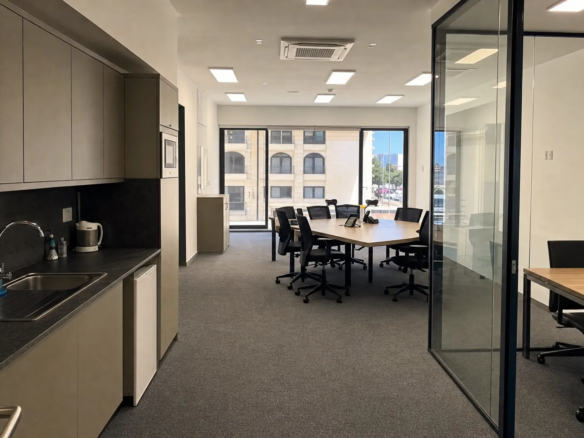
A traditional property search begins with filters: location, floor area and price. An AI-assisted search can begin with a fuller brief: a team of 20, two meeting rooms, reliable connectivity, nearby transport and room to grow. Our guide to evaluating office space by location can help you turn those priorities into a practical shortlist.
AI tools can help summarise listings, extract advertised features and organise a shortlist around those requirements. That can reduce the time spent comparing descriptions and chasing unsuitable options. The quality of the shortlist still depends on the underlying listings: an AI summary cannot establish that an office remains available or that its advertised layout will work for your team.
2. Rent comparisons become easier, but the data matters
Two offices with similar monthly rents may offer very different value. Floor area, finishing, parking, service charges and included services all affect the comparison. AI can help standardise figures and highlight missing information, provided the inputs use consistent units and clearly separate rent from other costs.
Local rent benchmarks can provide a useful starting point, but always check whether the figures describe asking prices or agreed rents, how the sample was selected and which locations it covers.
Use a benchmark to ask better questions: why is this office priced above the sample? Does it include furniture or parking? Is the floor area genuinely comparable? A useful AI comparison makes those differences visible instead of producing a single unexplained recommendation.
3. AI is changing the conversation about office demand
Automation may change staffing needs and the balance between individual work and team activity. However, the growth of AI businesses can also create demand for physical offices. CBRE’s 2026 Tech Gateway Office Markets report describes how large AI leases helped increase technology’s share of US office leasing in the first quarter of 2026.
That international evidence is useful context, but it is not a forecast for Malta. A local business should base its space requirement on its own hiring plans, attendance patterns and operational needs. The relevant question is how the team will use the office over the lease term. If you are weighing up attendance and collaboration needs, read our guide on when to rent office space instead of staying remote.
4. Space planning can become more evidence-led
AI-assisted analysis can help a business compare attendance patterns and test different layouts. A team with staggered office days may need fewer permanent desks but more rooms for calls. A business bringing people together for training and project work may prioritise shared areas instead.
Before committing to a property, test several scenarios: current staffing, expected growth and peak attendance. Check meeting-room demand, quiet work areas and storage as well as desk capacity. These are planning exercises; a floor plan and a viewing are still needed to confirm what fits comfortably.
5. Clear property information becomes more valuable
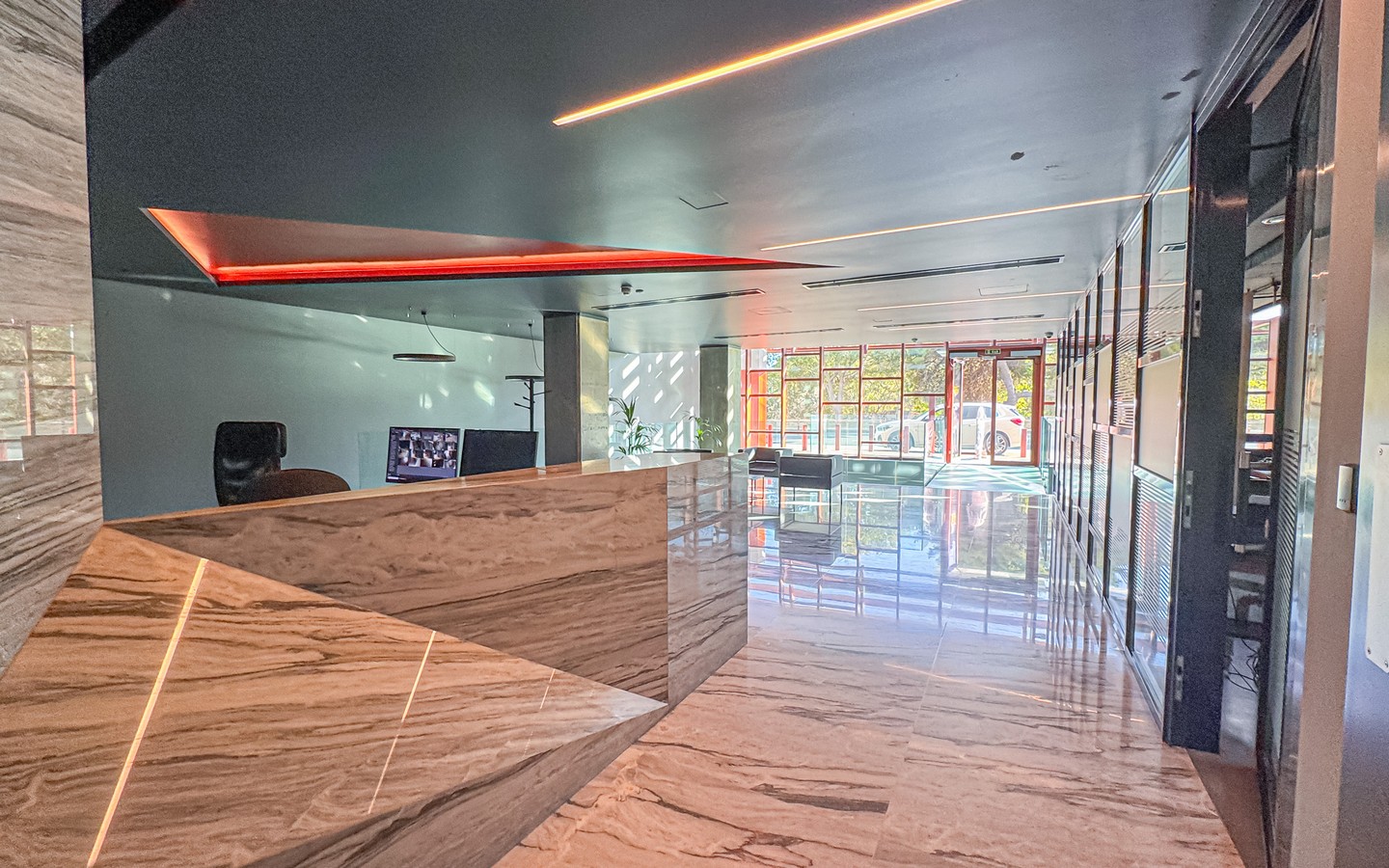
For landlords, a detailed and accurate listing is easier for both people and AI tools to assess. State the floor area, rent basis, condition, available facilities and what is included. Keep availability current and use photographs that reflect the premises being offered.
Generic claims such as “ideal for every business” do little to help a tenant make a decision. Specific information about access, meeting rooms, parking and fit-out gives prospective occupiers a stronger basis for arranging a viewing.
What this means for your next office move in Malta
Use AI early in the process to organise requirements, compare options and identify questions. Then verify the shortlist against current availability, full occupancy costs and the condition of each property.
- Write a clear brief covering team size, location, budget and likely growth.
- Compare costs on the same basis, including separately charged extras.
- Check the source and date of every market benchmark.
- View shortlisted offices and use our guide to questions to ask an office rental agency before viewing to confirm practical requirements.
- Make sure the agreed commercial terms are reflected in the lease.
AI can make the search more efficient. The best outcome still comes from matching reliable information with a clear understanding of your business. If you are planning a move, contact OfficeSpace.Rent with your requirements to discuss suitable offices in Malta.
Local market reference
For a local starting point, explore the Office Malta office rent index by zone. It presents sample asking rents drawn from OfficeSpace.Rent listings and explains its selection rules. These are advertised quotations from one agency’s collection, rather than agreed transaction rents or a whole-market valuation. Combined zones should also not be read as individual village estimates.