A commercial building for rent can look right during a viewing and still be wrong for your business. The advertised rent does not tell you whether your intended use is authorised, who pays for a failed lift or when the premises will actually be ready to occupy.
For businesses in Malta, the strongest landlord questions connect each promise to a document, a responsibility or a deadline. Use these eight questions before committing to a property, whether you need an SME headquarters, premises for a professional practice or a larger building for an expanding team.
1. What exactly are we renting, and is our intended use authorised?
Start by establishing the boundaries of the letting. Does the agreement cover the entire building, selected floors or only the office accommodation? Parking spaces, terraces, roof areas, storage rooms and entrances should not be assumed to be included simply because they appeared in the viewing.
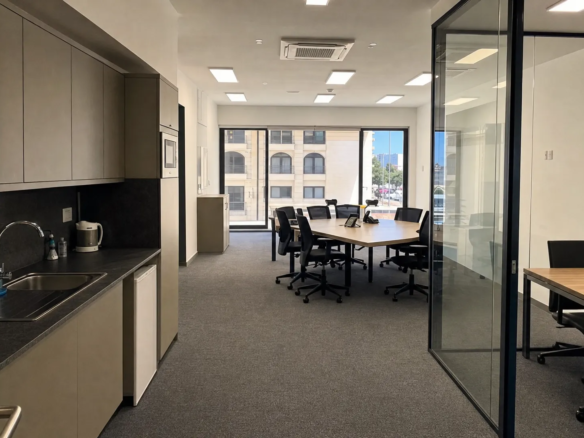
Ask for a plan identifying the leased areas and any shared spaces. Check whether the advertised floor area includes stairwells, plant rooms or other space that cannot accommodate desks. A building’s headline size is not the same as its usable workspace.
Before choosing a commercial building for rent, describe your actual activities to the landlord: staff numbers, client visits, operating hours, signage and any storage or dispatch requirements. Request the relevant planning permissions and approved plans, then have a Maltese architect, or perit, assess whether the premises and intended use align. The Planning Authority provides the official starting point for planning information.
For regulated businesses, including financial services and iGaming operators, property suitability and sector-specific requirements are separate checks. A landlord’s assurance that previous tenants ran an office is not proof that your own operation can proceed.
2. What will we pay beyond the advertised rent?
Ask the landlord for a written breakdown of every property-related charge, not just a verbal estimate of the monthly rent. Distinguish recurring costs from upfront payments and costs that arise only when equipment fails or works become necessary.
Depending on the property and agreement, the breakdown may include service charges, VAT treatment, utility arrangements, parking, insurance contributions, maintenance contracts and deposits. Confirm which items apply rather than treating them as standard across Malta.
When comparing a commercial building for rent, request the latest available service-charge reconciliation and the current budget if shared services are involved. Ask how costs are allocated, whether you can inspect supporting invoices and who authorises exceptional expenditure. For a whole-building letting, establish which operating contracts you must arrange yourself.
Also ask whether rent increases follow a fixed schedule or another mechanism, and whether quoted figures are inclusive or exclusive of applicable taxes. Our guide to commercial rental costs in Malta helps separate the headline rent from the broader occupancy budget.
A useful answer identifies the amount, calculation method, payment timing and responsible party. “We will sort it out later” leaves an unresolved budgeting risk.
3. What defects exist, and who is responsible for repairs?
A freshly decorated building can still have water ingress, unreliable air conditioning or ageing electrical installations. Ask directly about known defects, recurring faults, previous leaks and outstanding works. Request available inspection reports, service records and warranties rather than relying solely on the viewing.
Clarify responsibility by building component. Roofs, façades, lifts, plumbing, electrical systems and air-conditioning equipment may carry different obligations under the proposed agreement. Find out who handles routine servicing, emergency call-outs and eventual replacement.
The condition of a commercial building for rent should be documented before you take possession. Arrange an appropriate professional inspection and agree a photographic schedule of condition that can be referenced in the lease. This helps distinguish existing damage from deterioration during your occupation.
Where a defect needs fixing, ask for a defined scope of work and completion date. Have your adviser check how the agreement deals with delayed repairs and interruptions to use. Do not assume that an obligation to repair automatically gives you a right to suspend rent.
Treat “fully refurbished” as a description to verify, not a substitute for condition evidence. New finishes do not establish the condition of concealed systems.
4. Can the building support our staff and technical requirements?
Give the landlord a practical operating brief. Include your expected headcount, working hours, meeting-room needs, equipment loads and any requirements for cooling, connectivity or backup power. Ask what the existing infrastructure can support and what evidence is available.
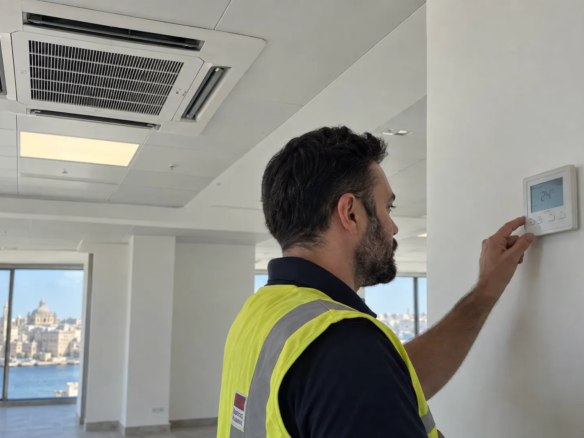
For electrical capacity, request relevant installation information and arrange assessment by a qualified professional. For air conditioning, check the areas served, maintenance history and performance assumptions. An installed system is not necessarily suitable for a denser layout or equipment-heavy operation.
Assessing a commercial building for rent also means checking connectivity at the property itself. Confirm service availability with providers, installation lead times and permission for cabling or additional equipment. If resilient connectivity matters, investigate whether alternative connections genuinely use separate routes rather than assuming that two contracts remove a shared point of failure.
Ask your architect and relevant specialists to review escape routes, accessibility, sanitary facilities and the proposed occupancy. An apparently spacious building may need changes before it suits your layout.
For teams working outside normal office hours, establish whether cooling, lifts and building support remain available. A nominally accessible building is less useful if essential services stop when your team is still working.
5. What access, parking and delivery rights come with the property?
Ask the landlord to distinguish legal rights from informal arrangements. A parking space used by the previous tenant may not be included in your letting. Likewise, access through a neighbouring property needs more than an assurance that nobody has objected before.
Confirm staff and visitor entrances, out-of-hours access, lift availability and any restrictions on deliveries. Where facilities are shared, ask who controls access systems and how changes to building rules are communicated.
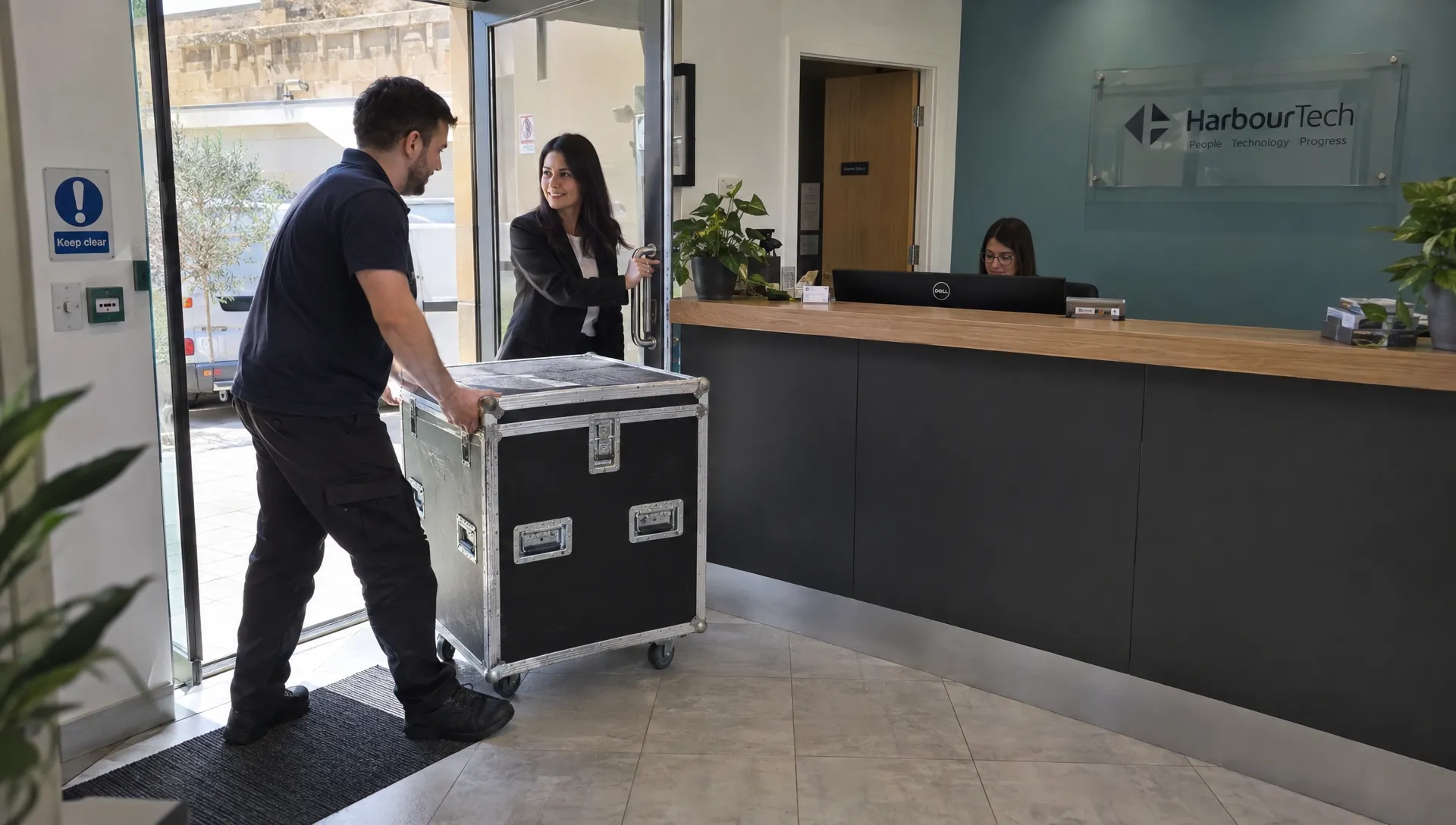
Access to a commercial building for rent should work for ordinary operations and occasional disruption. Consider an office move, an equipment replacement or a visit from a maintenance contractor. Check doorway widths, lift dimensions and the route between the unloading point and your premises before committing to large furniture or equipment orders.
Businesses ordering custom corrugated packaging for dispatch operations should also confirm loading access, dry storage and cardboard collection arrangements. For office-only occupiers, the equivalent questions concern archived files, IT deliveries and moving-day access.
Ask whether parking spaces are allocated, shared or separately licensed, and whether the landlord can change that arrangement. Record essential access and parking rights in the agreement rather than leaving them in an email about the viewing.

6. What alterations can we make, and who approves them?
Present a preliminary layout before discussing fit-out permissions. Partitioning, meeting rooms, signage, cabling, air-conditioning changes and security installations can raise different approval requirements. Ask which works need landlord consent and whether building management or other parties must also approve them.
Fit-out freedom in a commercial building for rent should be clear before you spend money on design. Request the landlord’s approval process, required drawings, contractor conditions and expected response times. Establish who checks whether planning or other permissions are needed. Landlord consent alone does not settle every approval question.
Discuss how works will affect shared areas and neighbouring occupiers. Restrictions on noisy work, delivery hours or lift use can change the programme and cost of an otherwise straightforward installation.
If the landlord offers a contribution or rent-free period, ask exactly what it covers and when it begins. A concession that starts before the property is available for fit-out may provide less value than expected.
Also agree what happens to your alterations when you leave. Ask which items must be removed and whether the landlord can require reinstatement. A written distinction between landlord fixtures, tenant equipment and approved improvements makes both the initial fit-out and eventual departure easier to budget.
7. When will the building be ready, and what happens if it is late?
Ask for more than an expected availability date. Establish whether the property is vacant, whether landlord works remain outstanding and whether utilities and essential systems will be operational at handover.
For a commercial building for rent that needs preparation, request a written schedule showing the works, responsible parties and completion milestones. Ask who will verify completion and which documents or tests will be provided. Your move date should not depend on an undefined promise that the property will be “ready soon”.
Separate the date you receive access for fit-out from the date rent starts and the date your team can occupy. These may be different, and the agreement should explain the relationship between them.
Ask your legal adviser how the proposed lease addresses delayed delivery, incomplete works and unresolved defects. Any agreed remedy needs to be documented; do not assume compensation or a cancellation right exists automatically.
Arrange a pre-handover inspection and record remaining items with deadlines. If you must retain your existing premises during the transition, include overlapping rent, storage and temporary workspace in the relocation budget. That makes the commercial impact of a delay visible before you commit.
8. What happens when we leave a commercial building for rent?
Even a suitable property can become too small, too expensive or poorly located as your business changes. Ask the landlord about early termination, renewal, assignment and subletting before negotiating only on rent.
For any proposed break option, clarify the notice period, earliest exercise date and conditions. Ask your adviser to assess whether those conditions could make the option difficult to use. Permission to assign or sublet should also specify the consent process rather than depend on a future discussion.
At the end of the tenancy, establish the required handback condition, reinstatement obligations and arrangements for inspecting the premises. Ask how deductions from the deposit will be evidenced and when the balance is due to be returned under the agreement.
If renewal matters, determine whether you have a contractual option or simply the opportunity to negotiate again. Those are different levels of certainty.
Have a Maltese legal adviser review these answers alongside the proposed commercial office lease clauses. A helpful conversation with the landlord does not replace enforceable wording in the signed agreement.
Turn the answers into a decision record
Use the same viewing record for every shortlisted property. For each question, note the landlord’s answer, the evidence received, the unresolved issue and the person responsible for checking it.
When comparing a commercial building for rent with alternatives, separate three categories: requirements already verified, matters that can be resolved before signing and risks your business would have to accept. This prevents an attractive rent from overshadowing a missing permission or an uncertain repair obligation.
Send the landlord a concise written follow-up after the viewing. Ask them to confirm corrections and provide missing documents. Essential promises should then be reflected in the agreement, its schedules or another form your legal adviser considers appropriate.
Frequently asked questions
What documents should I request from a commercial landlord? Start with plans showing the leased areas, relevant planning documentation, a full cost breakdown and available maintenance records. Request the draft lease early, then let your architect and legal adviser identify any additional documents needed for your intended use.
Should I inspect the building before agreeing to rent it? Yes. A viewing helps you assess location and layout, but professional checks can identify condition, capacity and suitability issues that are not obvious. Match the inspection scope to the building and your proposed operation.
Are verbal promises from the landlord enough? Do not rely on them for essential requirements. Repair deadlines, parking rights, fit-out permissions and financial concessions should be documented and reviewed as part of the agreement.
Is renting a whole building different from renting one office floor? It can change your responsibilities significantly. You may need to arrange building-wide maintenance and services yourself. Confirm the allocation of responsibilities rather than assuming that exclusive occupation means the landlord still manages everything.
Build a shortlist around verified requirements
Define your required space, location, operating hours and technical needs before arranging viewings. Then use these questions consistently across the shortlist.
OfficeSpace.Rent helps businesses compare properties across Malta, with location, price and size filters plus support with viewings and negotiations. Bring a clear brief and use each landlord discussion to establish what the property offers, what still needs checking and what must be agreed before signing.