The short answer
€2,000, €4,000 and €6,000 can lead to very different office searches depending on location, size, condition and included services. First decide whether your figure covers base rent alone or the whole monthly bill. This guide uses transparent planning examples, not promises of currently available properties at those prices.
“We have €4,000 a month. What can we get?” It is a useful place to start an office search. The next question is just as important: what does that €4,000 need to cover?
For one business, it means rent only. For another, it must cover parking, internet, cleaning and everything else. Both have the same headline budget, but they need different shortlists. Getting that distinction clear early saves a lot of unsuitable viewings.
Choose your starting budget
Open the section closest to your monthly allowance. These are search priorities, not fixed packages: the actual options depend on the properties and quotations available when you enquire.
€2,000 a month: protect the essentials
Start with the things your team genuinely needs: suitable workstations, dependable connectivity, practical access and enough privacy. Decide where you can compromise. A smaller office that is ready to use may be more workable than a larger one requiring furniture, cabling or alterations. If €2,000 is your total monthly ceiling, set aside the extra running costs before choosing a rent target.
€4,000 a month: compare the trade-offs
Use the budget to compare several locations against the same brief. Look at actual layouts, meeting space, parking and condition. One office may offer more floor area; another may reduce the work needed before moving in. Ask for both costs in writing. Do not let a beautiful reception area distract you from a layout that makes everyday teamwork difficult.
€6,000 a month: buy usefulness, not empty space
Test the premises against today’s team and a realistic growth plan. Extra space can be useful, but it still needs funding and may need furnishing or maintenance. Compare a larger conventional office with a smaller, better-equipped alternative. The right choice is the one your people can use well over the expected occupation period, within an affordable commitment.
How much floor area could the budget represent?
When rent is quoted per square metre per year, a simple calculation helps: monthly base-rent budget × 12 ÷ annual rate. It turns a monthly figure into an indicative area so you can compare scenarios.
| Monthly base rent | €150/m²/year | €250/m²/year | €350/m²/year |
|---|---|---|---|
| €2,000 | 160 m² | 96 m² | About 69 m² |
| €4,000 | 320 m² | 192 m² | About 137 m² |
| €6,000 | 480 m² | 288 m² | About 206 m² |
These rates are deliberately selected calculation inputs, not quotations for specific districts. The table excludes additional costs and does not establish current availability. For example, €4,000 × 12 ÷ €250 gives 192 m². It does not tell us whether a suitable 192 m² office can be rented today.
For locality context, consult the Malta Office Market Guide. Its indicative district bands help with early budgeting; individual properties may fall outside them. Serviced suites require a different comparison because a package may bundle facilities and services.
Work backwards from the full monthly bill
Imagine a hypothetical €4,000 all-in allowance. You reserve €700 for expected running costs and parking. That leaves €3,300 for base rent. At the illustrative €250/m² annual rate, the calculation produces about 158 m², rather than the 192 m² in the rent-only example.
The €700 is an assumption for this exercise, not a typical Malta charge. Replace it with actual quotations. Also confirm any applicable tax treatment rather than assuming that every advertised price is the final amount payable.
| Budget line | What to ask |
|---|---|
| Service charges | What is included, and can the amount be adjusted? |
| Utilities and internet | What is separately metered or subject to usage limits? |
| Parking | Are spaces allocated, and what is the total charge? |
| Cleaning and maintenance | Which responsibilities belong to the tenant? |
| Setup and deposits | What cash is needed before access, separately from monthly costs? |
Do not count a refundable deposit as an ordinary monthly expense. It still needs funding, however, so keep it in your cash plan. Likewise, furniture and installation may be one-off costs that make an apparently affordable office harder to take on.
Floor area is only useful if the layout works
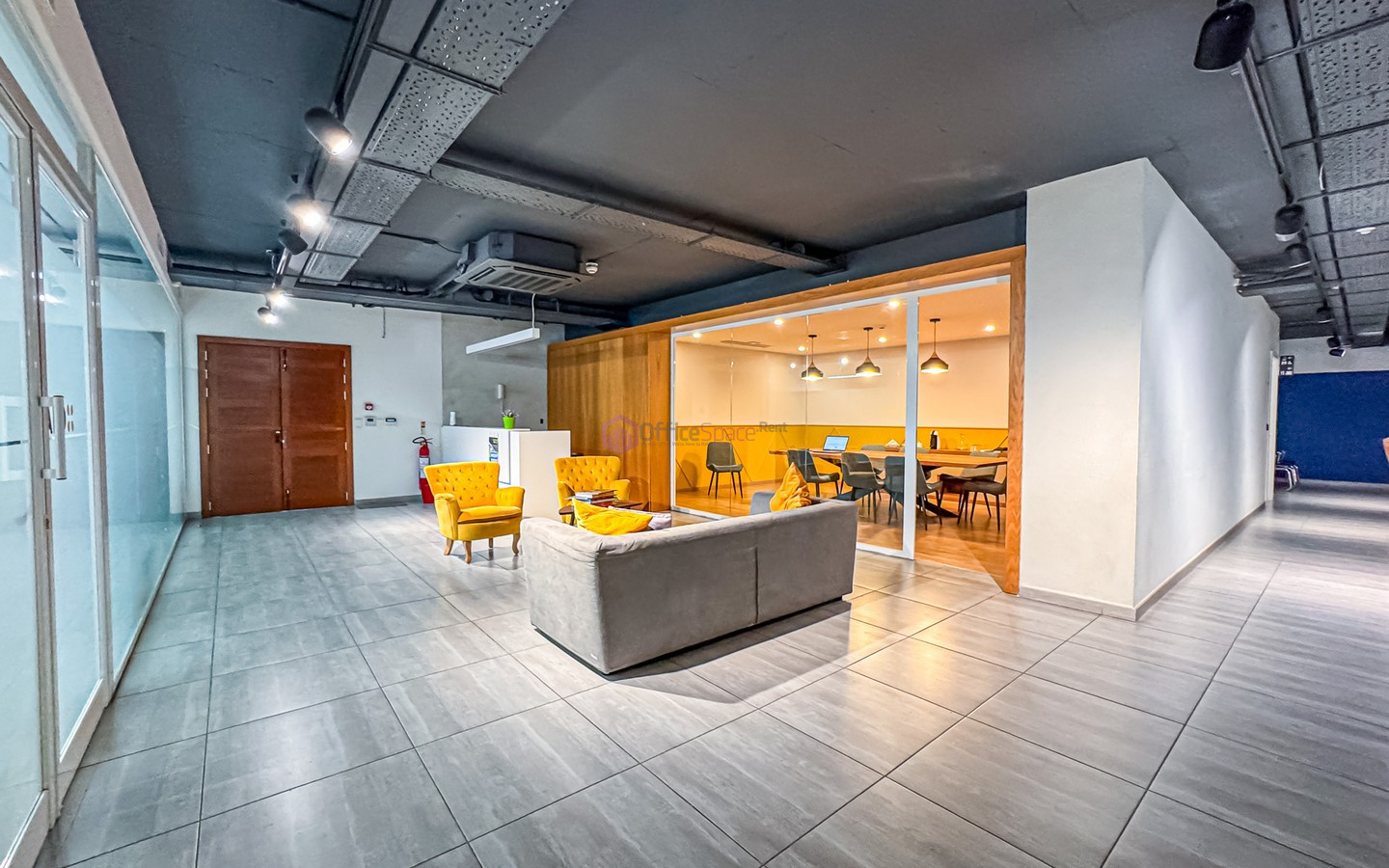
Walk through a normal working day in your mind. Where does someone take a confidential call? Can the team meet without disturbing everyone else? Is there somewhere for equipment and deliveries? A floor plan should answer these questions before you start counting spare desks.
Ask what the advertised area measures. Terraces, circulation and shared facilities are not interchangeable with usable desk space. Check the building’s practical suitability and occupancy requirements with the appropriate professionals rather than assigning headcount from a headline number.
Would a serviced office make the budget go further?
It might, depending on the team and the package. Our serviced versus traditional office guide explains how to compare the same requirements over the same period. A serviced office can be a private suite; the distinction is about the arrangement and inclusions.
Check meeting-room allowances, access hours, cleaning, connectivity and any charges for additional people. Compare setup costs as well as monthly payments. An inclusive package is only useful if its included services are the ones your business needs.
Take these five questions to your next viewing
- Can you provide the complete monthly cost breakdown?
- Which furniture, facilities and services come with the quote?
- Does the layout work for our busiest day, including meetings?
- What needs doing before we can move in, and who pays?
- What commitment and notice arrangements would we be accepting?
Use our office viewing checklist to keep notes for each property. Photograph the features that affect your decision and ask permission where appropriate. After several viewings, practical details can easily blur together.
What if the best office is slightly over budget?
First establish whether the extra cost replaces something you would otherwise pay separately. Then decide whether the total is affordable. Ask about the terms, but do not build your plan around an unagreed reduction or uncertain future income.
Before you start searching: write one sentence containing your budget, peak team size, essential facilities and deadline. A clear brief gives your agent a much better chance of showing you offices worth visiting.
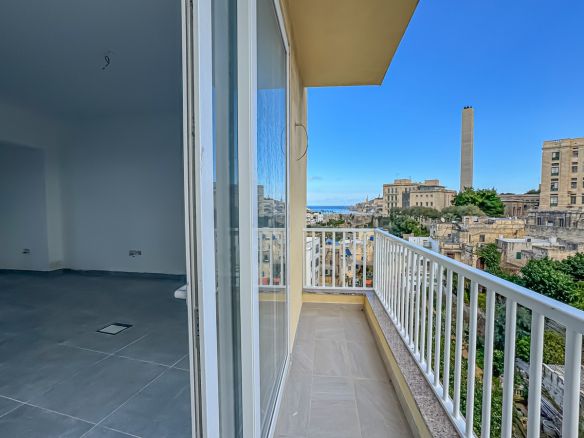
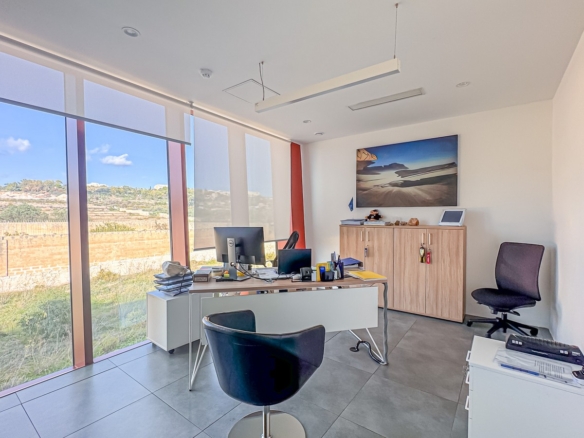
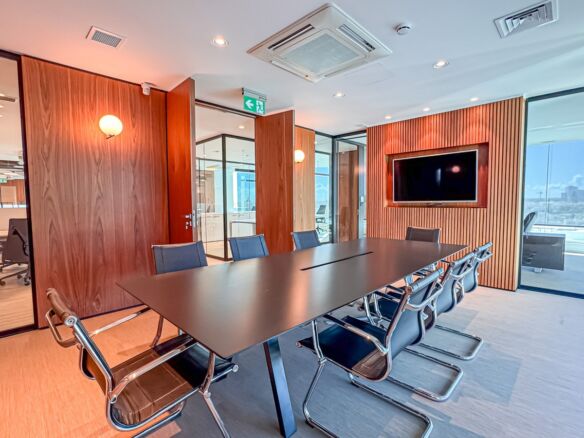
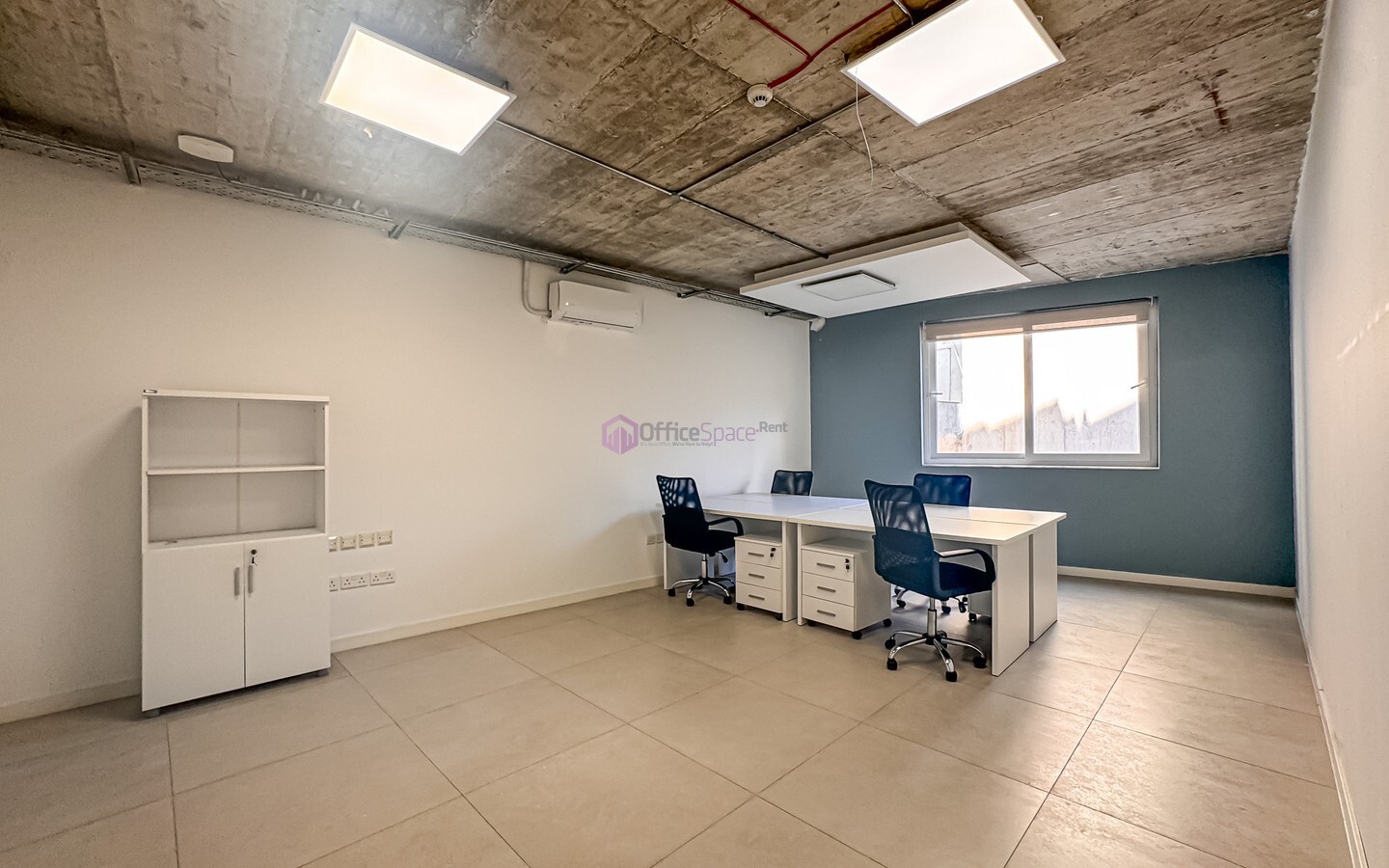
All calculated budgets and floor areas are illustrative, not current offers or guaranteed capacity. Photographs show existing library interiors, not properties promised at the example prices.