The short answer about Asking Rent vs Agreed Rent depends on the specifics of the negotiation and market conditions.
The asking rent is the advertised figure. The agreed rent is what the parties accept in the lease. Sometimes there is room to negotiate; sometimes the better result is improved flexibility, completed works or a more manageable payment arrangement. The useful question is: what would make this office a better deal for your business?
You find an office you like. The location works, the layout makes sense, and you can picture the team there. Then comes the question almost every tenant wants to ask: “How much can we get off the rent?”
It is a fair question. But starting with a discount target can distract you from other terms that affect your costs and day-to-day experience. A good negotiation begins with understanding the property, your priorities and what you can reasonably offer in return.
A real Pietà deal: 10% below the asking rent
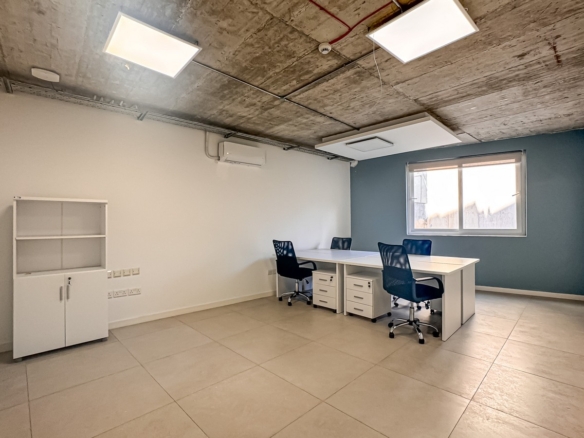
In our Pietà office rental case study, a client secured a 59 m² office at 10% below the original asking rent. The enquiry arrived on 1 October 2026, the viewing followed on 3 October, and the lease was signed on 15 October.
The detail that matters is how the agreement came together. The tenant could pay six months of rent upfront. That gave us a concrete proposal to discuss with the landlord. Required finishing works were also recorded in a lease annex, so the agreed condition of the premises was documented.

This was one negotiated outcome, not a standard discount available on every Malta office. The public case study does not disclose the actual rent. It supports the percentage reduction and the payment arrangement, but it cannot tell us what every similar office should cost.
What does a discount mean in euros?
Take a hypothetical asking rent of €2,000 a month. A 10% reduction brings it to €1,800, saving €200 a month or €2,400 over twelve months. These are illustrative figures, not the confidential amounts from the Pietà transaction.
Now look at cash flow. Six months prepaid at that illustrative agreed rent would require €10,800 before counting security or other charges. That may be comfortable for one business and restrictive for another. A saving only helps if the payment arrangement works for you.
What would improve your deal most?
Before the next viewing, choose your main priority below. Each opens a different way to approach the conversation.
Our monthly running costs are too high
Ask for the complete recurring bill first: rent, service charges, parking and other mandatory costs. Then identify the items that make the biggest difference. A rent reduction is useful, but so is avoiding a separate expense you had not budgeted for.
We need to protect our cash at move-in
Focus on payment dates, advance rent and the cost of getting operational. Ask whether essential works or furniture can be included. Compare the cash needed at signing with the following months, rather than looking only at the annual total.
Our team might grow or change
Discuss the commitment, notice arrangements and any realistic expansion options. Ask what is actually available, not merely possible in principle. Have the agreed wording reviewed so the flexibility you expect is reflected in the contract.
Sometimes flexibility is the bigger win
Our six-desk Burmarrad case study tells a different story. Negotiation focused on removing the usual initial one-year firm commitment in that proposed agreement. The documented outcome was a one-year arrangement with three months’ notice, as described in the case study.
The published account does not establish a rent reduction. Its value was in changing the commitment. That distinction matters: a lower monthly figure and a more flexible agreement solve different business problems. The signed wording governs the actual rights and responsibilities.
Put competing offers on the same page
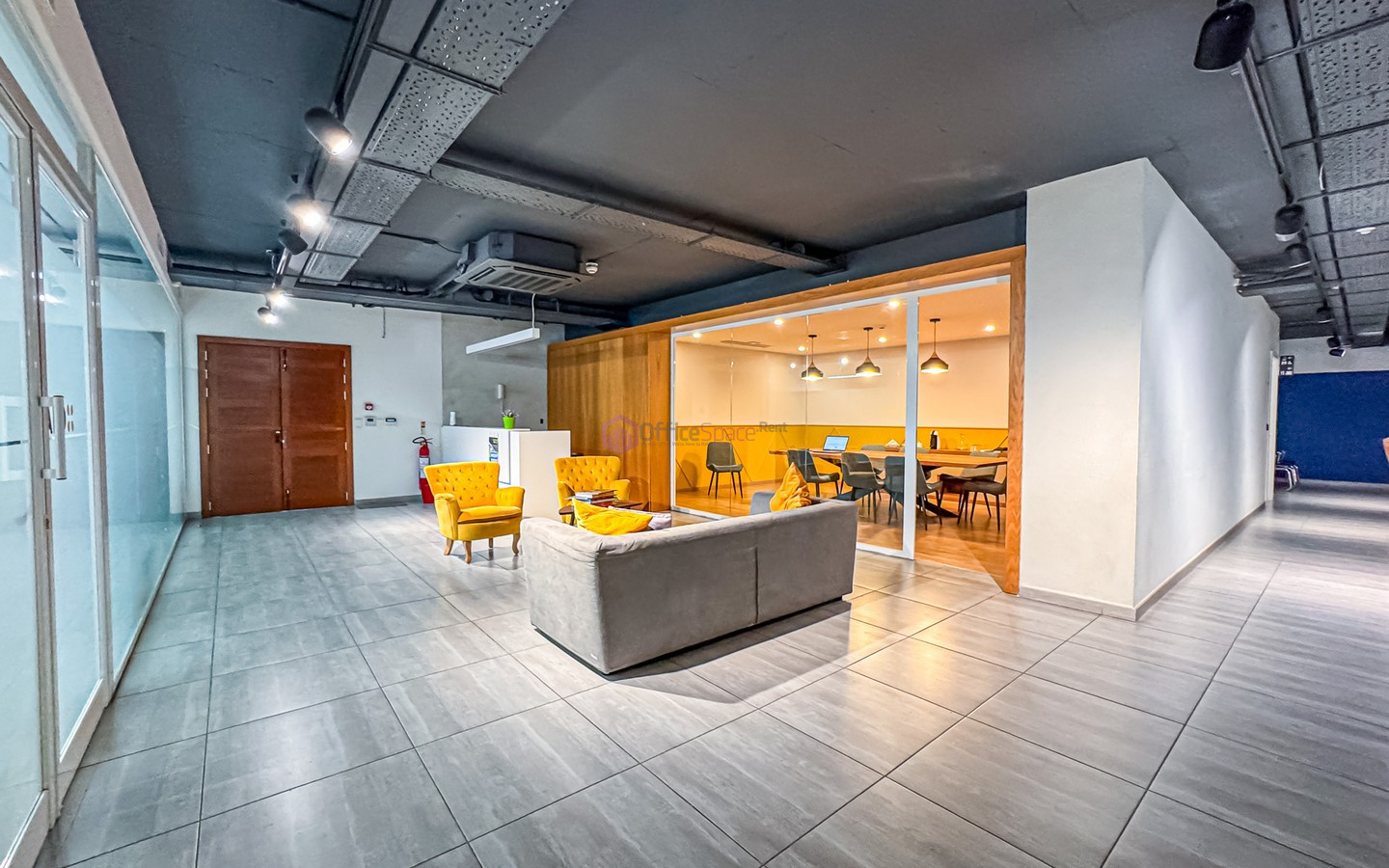
Open two quotations side by side. If one includes furniture, meeting facilities or building services and the other does not, their headline rents are not yet comparable. Fill in the gaps before deciding which is better value.
| Check | What to write down |
|---|---|
| Rent | Starting rent, increases and the period covered |
| Extras | Service charges, utilities, parking and other mandatory costs |
| Condition | Works, furniture and responsibilities at handover |
| Cash upfront | Advance rent, refundable security and fees, separately |
| Commitment | Term, notice and reviewed exit provisions |
The Malta Office Market Guide gives useful district budgeting context. Those indicative bands are not achieved rents or a measure of how much landlords will negotiate. Use them to frame questions, then assess the actual premises.
Make an offer the landlord can understand
A clear proposal is easier to discuss than a list of disconnected requests. Explain the intended start date, the business’s requirements and the terms you can accept. Identify what needs resolving before you can proceed. That gives both sides something specific to work with.
For example: “The office suits our team. We can proceed once the agreed works are documented, but our total monthly ceiling includes parking.” This keeps the discussion tied to a genuine requirement. It also makes it easier to recognise an acceptable alternative when one is offered.
Before committing, work through our office lease negotiation checklist. Record the agreed details and ask your adviser to review the contract, particularly where payment or exit arrangements are important to your decision.
Questions tenants ask us
Should I always offer 10% less?
No. One completed transaction is not a pricing rule. Start with the property, comparable options and the wider terms. A proposal should have a reason behind it, and some landlords may prefer to discuss works or payment arrangements instead.
Does paying upfront guarantee a discount?
No. It helped in the documented Pietà transaction, but another landlord may respond differently. Consider the cash commitment and obtain the full agreement before treating any saving as secured.
Can I rely on a verbal promise about finishing works?
Ask for the agreed scope, responsibility and timing to be recorded in the documents. This gives everyone a clearer basis for handover and helps your adviser check that the written agreement matches your understanding.
Your next step: decide which matters most—monthly cost, upfront cash or flexibility. Bring that priority to the viewing. You will have a much more useful conversation than simply asking for the largest possible discount.
Evidence: the two linked OfficeSpace.Rent case studies describe selected completed transactions. They do not establish a market-wide average discount. Worked euro amounts are hypothetical.