OfficeSpace.Rent | Practical office leasing advice
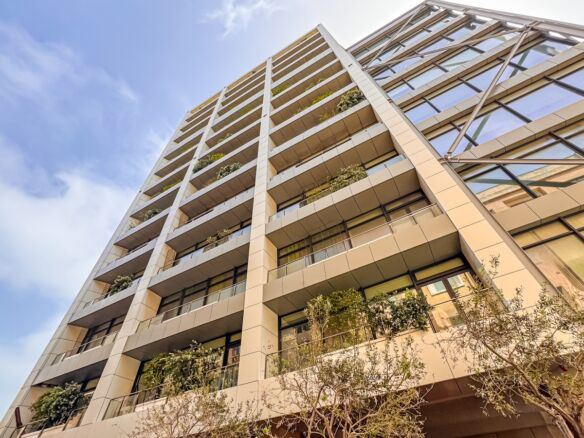
A modern office building can look ideal in photographs. However, the real test is whether its layout, services, parking and lease terms support your business every day. If you are considering a move to Mrieħel, this checklist will help you compare properties beyond their appearance.
Mrieħel offers a mix of traditional office floors, contemporary business centres and managed workspace. Yet two offices in the same area can differ significantly in usable space, operating arrangements and flexibility. Therefore, businesses should assess the building and the proposed lease together before committing.
1. Check the usable office layout, not just the advertised area
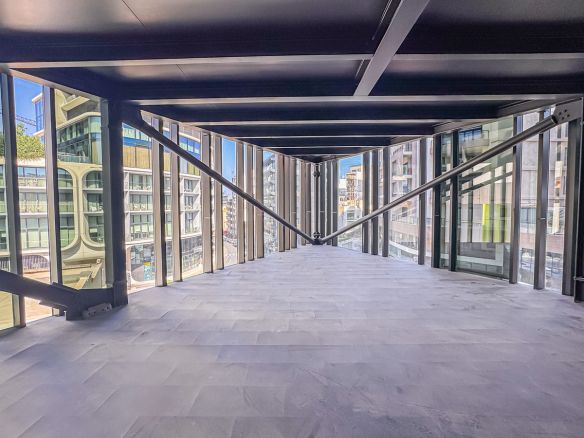
Start with a floor plan. An advertised area does not always tell you how much space is available for desks, meeting rooms and daily circulation. Columns, corridors, service areas and awkward corners can affect the final layout.
- Ask whether the quoted area is gross or net internal space.
- Test the proposed number of workstations against meeting rooms, breakout areas and storage.
- Check whether the floor can be divided if your team grows or contracts.
- Confirm whether terraces and other external areas are included separately.
2. Verify parking before arranging the final shortlist
Parking can be an important advantage of a purpose-built office building. However, the presence of a car park does not mean spaces are included with the office. Ask for the exact allocation and whether bays are reserved, shared or subject to separate agreements.
Also consider visitor parking, bicycle access, deliveries and the walking route from the parking area to the entrance. For a larger team, these details can influence daily operations as much as the office itself.
3. Look closely at building management and shared facilities
Modern offices often provide shared reception areas, lifts, common bathrooms and communal spaces. Still, the level of management varies. Some buildings have staffed reception and on-site support, while others offer maintained common areas without a permanent reception team.
During a viewing, ask who handles faults, cleaning, access cards, security and out-of-hours requests. In addition, clarify which facilities are included in the lease and which are optional.
4. Confirm the technical specification
A visually attractive office is not necessarily ready for your IT and operational needs. Before making an offer, ask for information about connectivity, cooling, electrical capacity and emergency systems.
| Item to check | Questions to ask |
|---|---|
| Internet | Which providers serve the building? Is fibre already connected to the unit? |
| Cooling and ventilation | How are systems controlled and maintained? Can different zones operate independently? |
| Power continuity | Is backup power available? Which systems or areas does it support? |
| Fire safety | What detection, alarm, evacuation and other safety provisions are installed? |
| Accessibility | Are entrances, lifts, bathrooms and access routes suitable for the intended users? |
Request supporting documents where relevant. Your technical advisers should assess whether the premises suit your proposed use.
5. Establish what is included in the fit-out
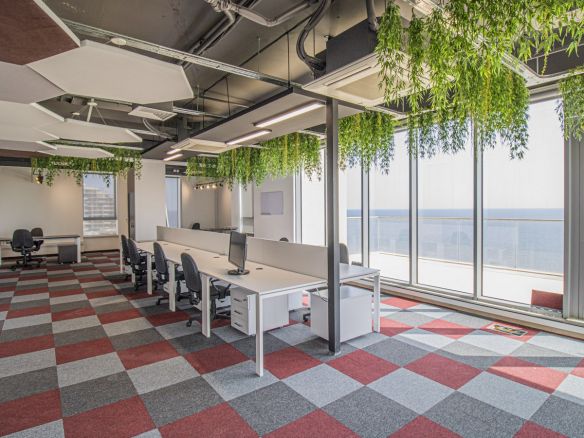
Office listings may describe a property as finished, furnished, partly fitted or shell-and-core. These terms do not always mean the same thing across buildings. Consequently, confirm the handover condition in writing.
- Are partitions, lighting, ceilings and flooring already installed?
- Are desks, meeting room furniture and kitchen appliances included?
- Who is responsible for changes to air-conditioning, electrical and data points?
- Will the landlord allow signage or branded reception areas?
- What must be removed or reinstated when the lease ends?
A detailed schedule of condition and fit-out responsibilities can prevent disagreements later.
6. Review flexibility and future expansion
Businesses often choose an office for today's team but occupy it for several years. Therefore, consider whether the building can support changes in headcount or working style.
Ask whether neighbouring units or additional floors could become available. Also discuss options to subdivide, extend or reconfigure the space, subject to the landlord's consent and applicable approvals. These possibilities should not be assumed unless they appear in the agreement.
7. Compare the full occupancy commitment
Headline rent is only one part of an office commitment. Building service charges, utilities, parking, insurance, fit-out responsibilities and lease increases can all affect the overall decision. For current rental benchmarks, consult the Malta Office Market Guide rather than relying on figures repeated in older articles.
8. Check planning use and lease conditions
Before signing, confirm that the property's authorised use is suitable for your business activities. General office use is commonly associated with Class 4A under Malta's planning framework, but the correct permission should be checked for the particular premises and proposed operation.
Have a Malta-based legal adviser review the lease, including its fixed term, termination provisions, deposit, repair obligations, permitted use, alterations and any assignment or subletting conditions.
9. Visit at a realistic time of day
Where possible, inspect the building during normal working hours. This gives you a better sense of traffic, parking activity, noise, lift waiting times and nearby services. If staff commute from different parts of Malta, compare their actual journeys rather than relying on a single estimated travel time.
10. Compare offices using the same checklist
When several properties look suitable, score each one against the same criteria: usable layout, parking, building management, technical readiness, fit-out, flexibility and lease conditions. This helps your team separate essential requirements from preferences.
Frequently Asked Questions
Should I choose a furnished or unfurnished office in Mrieħel?
It depends on your timetable and how much control you need over the layout. Furnished offices can simplify a move, while unfurnished space may suit businesses planning a tailored fit-out. Always confirm exactly what is included.
Do modern office buildings in Mrieħel include parking?
Some provide on-site parking, but availability and allocation vary. Confirm the number of spaces, the terms of use and any separate charges before treating parking as part of the offer.
Can a larger office floor be subdivided?
Sometimes. The answer depends on the building layout, services, planning considerations and landlord approval. Ask early if you need only part of an advertised floor.
Are serviced offices an alternative to a traditional lease?
Yes. Serviced offices may be suitable when a business prioritises furnished space, managed services and flexible occupation. However, inclusions and agreement terms differ by provider.
Where can I see current office availability and rental benchmarks?
For current property options and a broader overview of the area, visit Offices in Mrieħel. For market pricing context, use our Malta Office Market Guide.
Planning an office move to Mrieħel?
OfficeSpace.Rent can help you compare available offices based on team size, building requirements, parking and move-in timing. Explore the Mrieħel office listings or contact our team to discuss your brief.