Gżira office space ranges from street-level premises where a client can walk straight in to private suites in larger business centres. The best starting point is how your team works on its busiest day. A consultant who meets one client at a time has a different brief from a support team that needs quiet calls, secure equipment and access after hours.
What are you renting in Gżira?
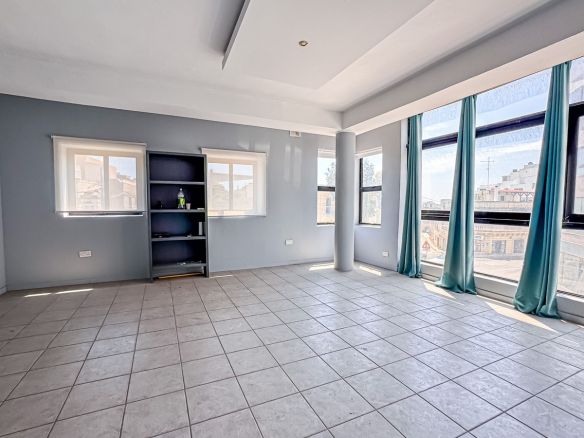
Traditional office. You lease a defined space and agree with the owner which fixtures stay. You may have your own kitchen, bathrooms and meeting rooms, or share some facilities. Before comparing rents, get the floor plan and inventory. A conventional office may be empty, partly fitted or ready to occupy.
Serviced office. An operator provides a furnished room with a package of services. Ask how many people can use it at once, when they can enter and what the fee covers. Internet, meeting-room hours, printing and parking all deserve a line on the quotation, even when the operator includes them in the price.
Coworking. A shared workspace can suit someone who needs a desk a few days a week. Find out whether the package gives you a particular desk or the next free seat. Visit during a busy session and check where you could take a private call or leave equipment overnight.
Virtual office. An address and mail-handling arrangement can help a business receive correspondence. Ask whether the package includes any physical workspace, how to book a room and what it costs. If you need the address for a formal registration, confirm that the arrangement meets your own requirements before signing.
Seafront, side street or business centre?
The Gżira waterfront can work well for a business that welcomes people from Sliema or Ta’ Xbiex. Walk the route from the nearest useful stop or parking place. Then look at the actual entrance. A waterfront building may have a side-street door, and a suite at the rear may have a different outlook from the front office in the photographs.
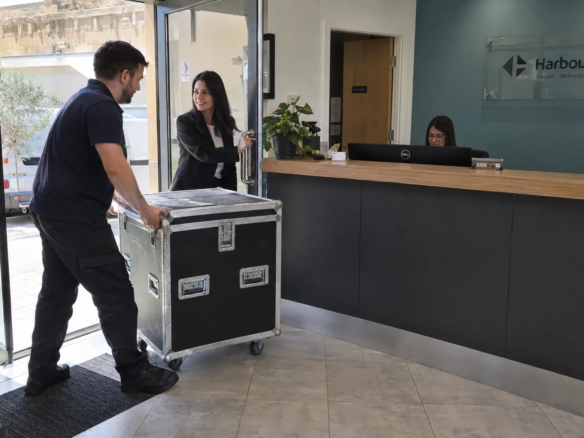
A street-level office deserves a second visit during your normal opening hours. Stand where the reception desk would go. Can a visitor find the door, see whether anyone is inside and wait without interrupting a meeting? For an appointment-based practice, privacy and access may carry more weight than passing trade.
If several departments need to share one floor, include a larger building in your comparison. Wembley Business Centre in Gżira is one example to investigate. Ask for the measured area of the particular unit and mark desks, quiet rooms and storage on its plan.
Does the office work beyond the viewing hour?
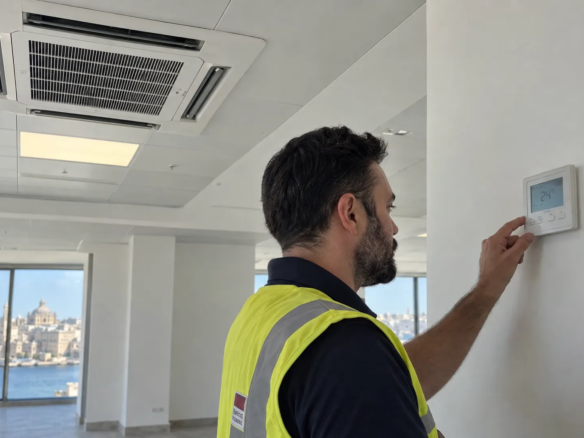
For a team working shifts, a viewing at noon answers only half the question. Ask how late colleagues enter, who can help with a failed access card and whether the cooling runs after the shared reception closes. Check the return journey for the final shift, especially if people rely on public transport.
For hybrid teams, count the people who attend together. Ten employees may need ten desks on Tuesday even if only four come in on Friday. Look at the meetings they hold on that same Tuesday. One extra small meeting room may be more useful than another row of desks.
Three Gżira layouts for the same six people
Consider a small firm with six colleagues. Two advise clients face to face, two prepare documents and two spend much of the day on calls. A six-desk serviced room could suit them if the operator has private rooms available during appointment hours. Try booking three consecutive client slots as a test. Then ask what happens if one appointment overruns and someone else has booked the room after you.
A street-level unit gives the firm a chance to arrange its own reception. Sketch where the client sits and where the receptionist keeps paperwork. Now send someone to the bathroom or kitchenette while a meeting takes place. If the only route goes through the meeting, the unit may need a different layout. Price the partition and door before treating the low base rent as a saving.
A part-floor in a business centre gives the team a third option. The shared entrance may handle visitor arrivals while the suite provides room for a quiet meeting. Ask who controls the space outside the door and whether visitors can wait there. Give all three providers the same six-person brief. The differences in privacy and usable time will be easier to see.
Test a waterfront address from the visitor’s side
Gżira adverts often use the waterfront to describe the wider area. Ask the agent to mark both the entrance and the office windows on a map or floor plan. A side entrance might be convenient for a regular tenant with a key, yet hard to find for someone arriving from the promenade for the first time. Send a colleague the directions and see where they hesitate.
Visibility matters differently according to the work. A recruitment firm that meets candidates by appointment may welcome a discreet entrance. A business expecting walk-in enquiries will want to see how people approach the frontage and whether the sign is visible from that direction. Watch the street during the hours you intend to open. Ask the owner what signage they will allow before ordering it.
If you are choosing an inland alternative, use the same starting point for both journeys. Walk from the stop a colleague actually uses or the car park a client is likely to find. Include the crossings and the final lift or staircase. Another street can offer an easier arrival even when the map shows a similar distance.
Budget for the first year, including the move
Make two columns for each Gżira office. Use the first for recurring costs such as base rent, parking, shared upkeep and any separately billed services. Use the second for opening costs such as furniture, network installation, moving and signage. Put refundable deposits on a separate cash-flow line. This shows both the cost of occupying the premises and how much money you need before the team can move in.
For illustration, a fitted office costing €250 more per month adds €3,000 to the annual recurring bill. If a less expensive unit needs €7,500 of additional work to provide the same layout, that saving would take thirty months to cover the work, assuming equal running costs and no rent increases. Substitute figures from the two written offers. A short expected stay can change the result substantially.
Allow for days when two offices overlap. If your client appointments must continue through the move, you may need the old room until the new connection works. Ask an installer for a date and plan a test appointment before you change the address on every invitation. A nominally cheaper office with a late handover can affect a small business quite quickly.
What to put in the viewing brief
Write down the number of people, the hours they work and the busiest combination of calls and client visits. Add your target opening date and one realistic growth scenario. For example, say that you need six desks on opening day and space for two more within a year, while keeping a private meeting room. An agent can test that against a plan before arranging a visit.
Include one photograph or sketch of the furniture you expect to bring. A long meeting table, a bank of filing cabinets or a specialist workstation can rule out a room that looks generous in a wide-angle photograph. Share the dimensions early. It keeps the viewing focused on the Gżira premises you can actually occupy.
If your team works across time zones, include the latest finish as well as the first arrival. Give the owner a concrete example of a colleague leaving at eleven after a customer call. Ask how that person exits, whether a guest can accompany them and who answers if the access system fails. The reply is easier to assess than a general promise of flexible hours.
How to compare two Gżira offers
Request the annual base rent in €/m²/year for each traditional lease. Check whether the area includes shared space, then list service charges, parking, utilities and any work before occupation. For a serviced quote, use the total annual cost of the desks and services your team will use. Compare both over the period you actually expect to stay.
When you browse current Gżira properties, note the listing reference, date and requirements each office meets. Ask for an updated quotation before budgeting. A short visit to two well-matched offices will tell you more than a long list of adverts with different assumptions about furniture, parking and access.