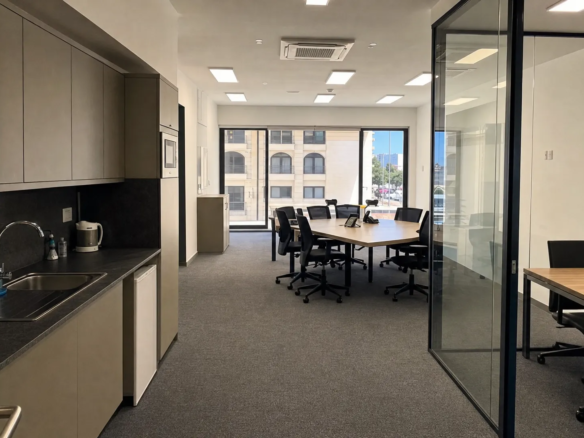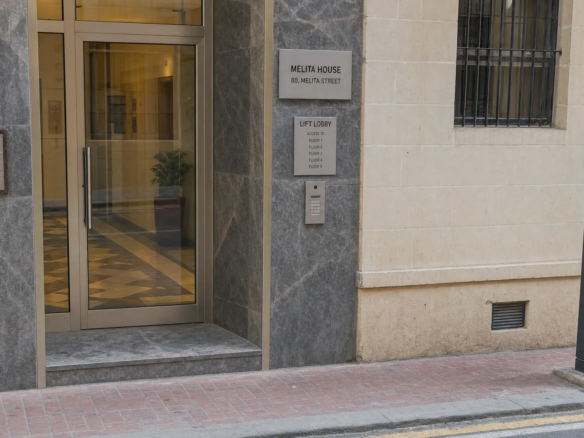
Finding an office in Malta is not usually difficult because there are endless listings. However, trying to find office space that truly meets your needs can be the real challenge. The hard part is knowing which listings deserve your time.
A better shortlist helps you avoid the two common extremes: viewing everything that looks acceptable or choosing too quickly because one space seems available now. For a business owner, CEO or office manager, the right shortlist should answer a practical question: which offices are realistic, compliant with how we work and worth negotiating on?
This matters even more in Malta, where location, parking, building quality and lease structure can change the real value of a workspace more than the headline rent. A Sliema office with strong client access may be ideal for a financial services firm, while a larger central office in Mriehel or Birkirkara may suit a growing operations team better. A serviced office may help a new Malta entity move quickly, while a traditional lease may give an established company more control.
The goal is not to find office space by collecting the most options. The goal is to create a shortlist that lets you make a confident decision.
What makes a good office shortlist?
A good office shortlist is not just a saved list of properties. It is a decision tool.
Each option should be comparable on the same criteria: size, location, total cost, lease flexibility, building condition, technical fit and move-in readiness. If those details are missing, the shortlist becomes a guessing exercise, and viewings often reveal avoidable problems.
For most Malta searches, a strong shortlist contains around 4 to 6 realistic options. Fewer than that may not give you enough negotiating leverage. More than that usually creates internal confusion, especially when different stakeholders start favouring different locations or layouts for unclear reasons.
Before you book viewings, each property should pass three tests:
- Operational fit: Can the team work effectively there from day one or after a realistic fit-out period?
- Commercial fit: Does the total cost align with the company’s budget, not just the quoted rent?
- Strategic fit: Does the location, lease term and office type support the company’s next 2 to 3 years?
If a listing fails one of these tests clearly, remove it before it consumes time.
Start with the business case, not the map
Many office searches begin with a preferred area. That is understandable, but it can narrow the market too early. In Malta, a distance that looks small on a map can feel very different at peak commuting times, and a location that seems less obvious may offer better value, parking or expansion potential.
Start with the business case instead. Why are you moving, expanding or opening an office in Malta?
A company relocating its headquarters may need prestige, boardroom quality, private offices and a building that feels credible to clients and regulators. An iGaming, casino or gambling company may prioritise employee access, open-plan density, breakout areas and reliable connectivity. A law firm, architectural studio, insurance business or financial services company may need confidentiality, meeting rooms, reception quality and easy client access.
Your shortlist should reflect those realities before you compare square metres.
| Shortlist criterion | What to define before searching | Why it matters in Malta |
|---|---|---|
| Team size | Current headcount and expected growth | Prevents choosing a space that is full within months |
| Office type | Serviced, managed, traditional lease or larger HQ office | Changes cost structure, flexibility and move-in speed |
| Location priorities | Client access, staff commute, parking and nearby amenities | Small geographic differences can affect daily productivity |
| Budget | Monthly rent plus VAT, service charges and fit-out costs | Headline rent rarely tells the full occupancy cost |
| Timing | Ideal move-in date and maximum delay you can accept | Some spaces are ready now, others need works or approvals |
| Technical needs | Internet, power, meeting rooms, access control and privacy | Especially relevant for regulated or technology-led businesses |
Once these points are clear, you can judge listings faster and with fewer internal disagreements.
Compare total occupancy cost, not only rent
The most misleading office comparison is rent per month without context. It looks simple, but it can hide significant differences between office types.
A serviced office may have a higher monthly cost per desk, yet include furniture, internet, reception services, utilities or meeting room access. A traditional lease may look cheaper at first, but the tenant may need to budget for furniture, fit-out, maintenance, deposits, insurance, utilities, cleaning and reinstatement obligations at the end of the lease.
VAT treatment, common area maintenance charges and lease terms can also change the real cost. You should verify the exact financial structure before making assumptions, especially if your company is comparing serviced office space with conventional commercial property. For a wider overview of market structure, lease terms and rental considerations, OfficeSpace.Rent has a detailed guide to renting office space in Malta.
A useful shortlist should include a simple cost comparison column for every option. Do not wait until final negotiations to discover that one property has extra charges that make it less competitive.
Match the location to the way the business operates
Location is not one decision. It is a set of trade-offs.
Sliema, St Julian’s and Gzira are often attractive for companies that want a central, recognisable location with access to restaurants, hotels and business services. Valletta and Floriana may suit firms that benefit from proximity to government, courts, professional services and historic business districts. Mriehel, Birkirkara and other central areas can offer practical value for larger teams, back-office operations or companies prioritising accessibility from different parts of Malta.
For some businesses, the best office location is the one clients prefer. For others, it is the one employees can reach without friction. A better shortlist makes this distinction explicit.
When comparing locations, consider:
- How many employees commute by car, bus or on foot
- Whether clients or partners visit regularly
- Parking availability for directors, staff and visitors
- Proximity to banks, hotels, restaurants, courts or regulators
- Whether the area supports hiring and retention
- How the location affects brand perception
This is where generic property searches often fall short. Two offices with the same rent and size can deliver very different business outcomes because one reduces daily friction and the other creates it.
Remove weak listings before viewings
A viewing should confirm a good option, not reveal basic information that should have been checked earlier.
Before you visit, make sure the listing has enough detail to justify your time. You should know the approximate size, rent, office type, location, condition, availability, VAT position where relevant and whether the space is furnished or unfurnished. If the listing is vague, ask questions before adding it to the shortlist.
Strong listings should make it easier to judge fit from the start. OfficeSpace.Rent has also covered how to evaluate the best office space listings in Malta, including what to look for before you arrange a viewing.
Poor listings are not always poor offices, but missing information increases the risk of wasted time. If you are under pressure to move quickly, prioritise listings with clear commercial details and responsive agents or owners.
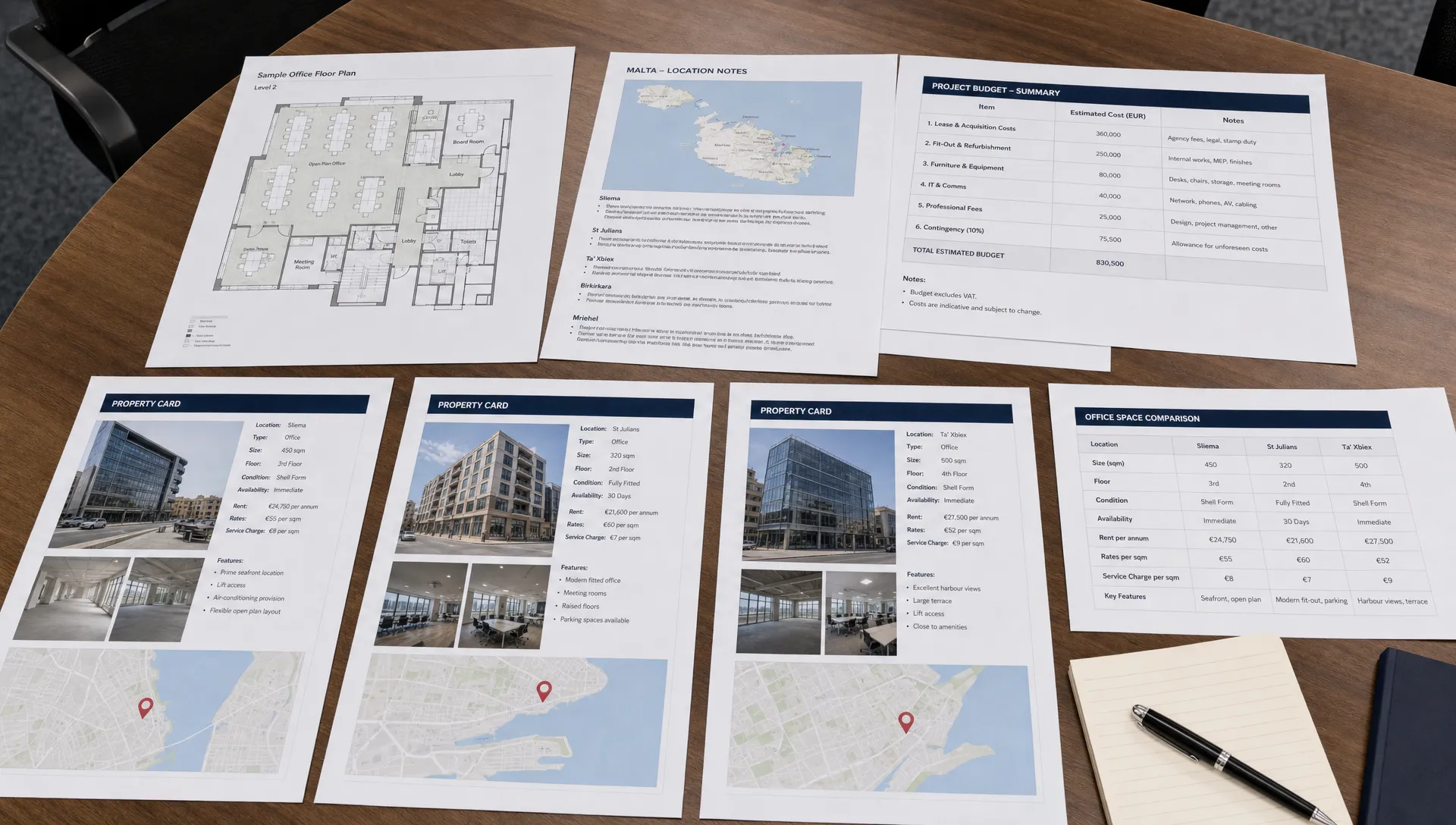
Use a scoring system that your team can agree on
A scoring system does not need to be complicated. In fact, the best ones are simple enough for every stakeholder to use consistently.
Give each office a score from 1 to 5 across the criteria that matter most. Weight the criteria if needed. For example, a law firm may give more weight to client access and meeting room privacy, while a fast-growing technology company may give more weight to expansion space and connectivity.
| Factor | Suggested weight | What a strong score looks like |
|---|---|---|
| Location | 25% | Easy for staff, suitable for clients and aligned with brand |
| Total cost | 25% | Clear, affordable and competitive after extra charges |
| Layout and size | 20% | Fits current team with sensible room for growth |
| Lease flexibility | 15% | Term, break options and obligations fit business plans |
| Building quality | 10% | Professional entrance, lifts, services and maintenance |
| Move-in readiness | 5% | Available within your timeline with limited disruption |
The weighting can change, but the discipline is the same. Score all options using the same framework. This prevents the shortlist being driven by one impressive reception area, one low rent figure or one director’s personal commute.
A scoring system also helps during negotiation. If your top two options score closely, you can use commercial terms, fit-out contribution, parking or lease flexibility to decide which one deserves the first offer.
Viewings should test assumptions
Once you have a focused shortlist, viewings become more productive. You are not walking into the space hoping it will make sense. You are testing whether the listing matches your requirements.
During the viewing, pay attention to the building as much as the office itself. A polished office can be undermined by weak common areas, unreliable lifts, poor access or limited maintenance. For client-facing businesses, the arrival experience matters. For larger teams, daily operational details matter even more.
Ask direct questions about availability, lease term, included costs, air conditioning, internet options, access hours, security, maintenance responsibilities and parking. If you expect to modify the layout, ask what is allowed before you assume walls, cabling or signage can be changed.
For regulated sectors such as financial services, insurance, gaming, blockchain or crypto, privacy and operational control may be more than a preference. Meeting room availability, access control, secure storage and reliable connectivity should be reviewed carefully.
Take comparable notes immediately after every viewing. If you wait until the end of a full viewing day, similar properties can blur together.
Keep one reserve option alive
A shortlist should help you choose, but it should also protect you from uncertainty. Offices can be taken by another tenant, negotiations can stall or final terms can change after further due diligence.
For that reason, keep at least one serious reserve option active until your preferred property is moving towards agreement. This is not about negotiating aggressively for the sake of it. It is about avoiding a situation where one failed negotiation forces you to restart the search from zero.
Your reserve option should be genuinely viable. If your backup office would never be approved by your management team, it is not a backup. It is clutter.
Common shortlist mistakes to avoid
The most common mistake is comparing offices too early on rent alone. A cheaper office can become expensive once you factor in fit-out, time delays, parking problems or staff dissatisfaction.
Another mistake is shortlisting spaces that solve today’s problem but ignore near-term growth. If your team is likely to expand within 12 months, a space with no room to grow may create another move before the lease has delivered value.
Some companies also view too many properties. More viewings can feel like diligence, but after a certain point they slow the decision and make comparison harder. A stronger approach is to improve the filters before viewings rather than increase the number of visits.
Finally, do not ignore documentation and decision authority. If several directors, partners or department heads need to approve the office, involve them before the shortlist is final. Late objections waste time and weaken your position when negotiating.
When a shortlist matching service helps
A shortlist matching service is useful when you know what the business needs but do not have time to screen every listing manually. It can also help when entering the Malta market for the first time, when comparing serviced offices with traditional leases or when the search involves multiple stakeholders.
OfficeSpace.Rent helps businesses compare office options across Malta, including serviced offices, traditional leases and larger commercial properties. The platform supports location-based search, price and size filtering, pricing guidance, viewings and negotiation support. For companies that need to move quickly or compare several office types, this can reduce the amount of unsuitable property in the search from the beginning.
A better shortlist does not replace commercial judgement. It gives that judgement better information.
Frequently Asked Questions
How many offices should be on a Malta office shortlist? For most companies, 4 to 6 realistic options is enough. This gives you comparison and negotiating flexibility without creating decision overload.
What should I check before booking an office viewing? Confirm the rent, size, location, availability, VAT position where relevant, office condition, included costs, lease type and whether the space is furnished. If these basics are unclear, ask before adding the property to your shortlist.
Is a serviced office better than a traditional lease in Malta? It depends on your timeline, budget and need for flexibility. Serviced offices can suit companies that want speed and lower setup work. Traditional leases can suit businesses that want more control, customisation and longer-term stability.
What is the biggest mistake when trying to find office space in Malta? The biggest mistake is choosing based on headline rent without comparing total occupancy cost, location fit, lease obligations and move-in readiness.
Can OfficeSpace.Rent help with viewings and negotiations? Yes. OfficeSpace.Rent supports businesses with office search, shortlist matching, viewings, pricing guidance and negotiation support for office space in Malta.
Build a shortlist that saves time and improves the decision
If you want to find office space in Malta with less guesswork, start with a shortlist built around your business needs, not just availability. Define the criteria, compare total cost, score locations realistically and keep only the properties that deserve a viewing.
You can browse office spaces in Malta with OfficeSpace.Rent or use the platform to compare suitable options by location, size, price and office type. A stronger shortlist will not only speed up the search, it will help you negotiate from a clearer position.