When a Malta office stands empty, start with the last three serious enquiries. Did the tenants rule it out because the building lacked something essential, because the rooms needed work, or because another office cost less? Each answer points to a different decision.
Which owners benefit from each approach?
An owner with a sound, recently fitted suite and very few viewing requests should first check the asking terms and how the property appears online. An owner whose building attracts regular visits but loses applicants after technical inspections has a different problem. In the second case, another price cut could leave the underlying fault unresolved.
A landlord with several similar units has an advantage. Compare enquiry notes for two floors in the same building. If the fitted floor attracts offers and the empty one does not, ask what tenants liked about the fitted floor. If both sit vacant, review the common elements such as access, service charges and the total commitment before copying the fit-out.
Identify the obstacle before commissioning work
If a tenant needs step-free access and the suite is upstairs without a suitable lift, new furniture will do little for that enquiry. If several teams like the street and the price but need a private meeting room, ask a contractor to price one. A specific objection is more useful than a general comment that the office feels dated.
Look at the office that the tenant chose, where they are willing to share the detail. Was it smaller but ready to occupy? Did it include parking or an existing data connection? Compare annual rent, charges and handover condition. The advertised rate alone can hide the reason the other unit won. For historical context, the 2024 KPMG–MDA property report identifies office asking rates in its commercial rental analysis.
What would the upgrade have to earn back?
Suppose an owner can spend €12,000 to fit a meeting room and improve the lighting. If that work produces €3,000 in additional annual rent, simple payback takes four occupied years. If the improvement earns no extra rent but brings the start date forward, the benefit comes from vacancy avoided. Keep these two effects separate until you have evidence for each.
Now compare a rent reduction. A €250 monthly reduction costs €3,000 over one fully occupied year, assuming the rent otherwise stays constant. Over four years it adds up to €12,000. These figures illustrate the calculation. Use actual contractor quotes, likely downtime and your proposed lease period. The Malta Office Market Guide gives local asking-rent context.
Offer a choice where the tenant’s needs differ
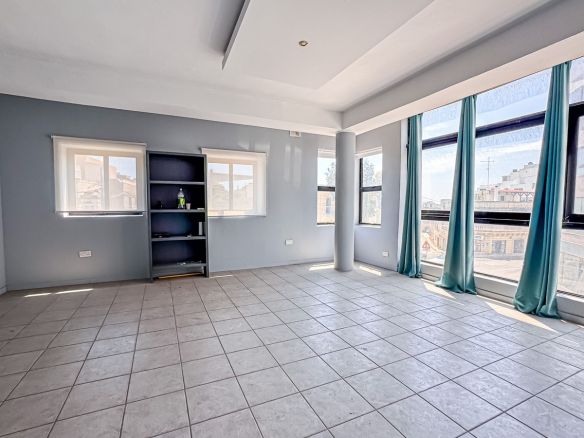
A consultant may need two private rooms while a software team wants the same space open. In that situation, offer the unit in its current condition and price an agreed fit-out separately. Show when work could start, who approves the drawing and what would be ready at handover.
If the suite already works well, another option is an agreed fit-out period so the tenant can install its own furniture and network. Ask your adviser to document the dates and responsibilities. A clear proposal helps both sides compare that concession with a lasting change to the base rent.
Separate a repair from an optional improvement
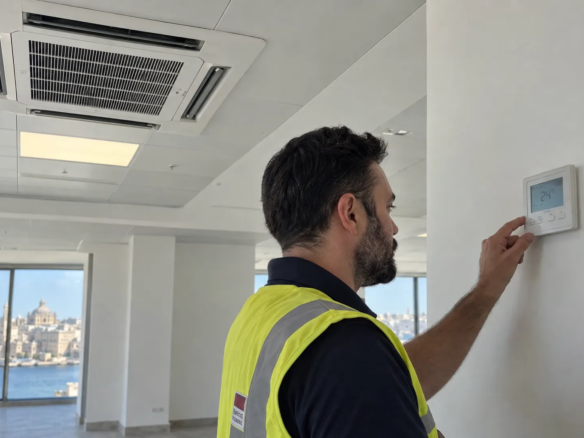
A failed cooling unit, unreliable lock or leaking window deserves a clear repair plan. Explain who will arrange the work and when the tenant can inspect it. A rent concession may acknowledge inconvenience during repairs, but a tenant still needs to know how the underlying issue will be resolved.
A new boardroom, decorative ceiling or furniture package is a different decision. Ask two contractors to price the same specification. Include design, disruption, any required approvals and the period when the premises cannot be shown at their best. Then ask your agent what evidence suggests this change would alter a real tenant’s decision.
Keep an option open when several layouts could work. For instance, obtain drawings for two possible meeting-room positions and agree a delivery timetable with the contractor. Show a prospective tenant both options. That can make a vacant office easier to understand without committing money before you know where the tenant wants the room.
Put vacancy in the calculation
For illustration, an office offered at €36,000 per year has potential base rent of €3,000 per month. A one-month vacancy therefore represents €3,000 in unearned base rent before other costs. A reduction of €125 per month over a two-year occupied period also totals €3,000, assuming no increases. This comparison gives you a threshold to discuss. It cannot predict whether the lower rent will secure a tenant one month earlier.
Compare the timing of the cash. Works may require a deposit to the contractor and a balance before the first rent arrives. A lower rent spreads the cost of the concession across the tenancy. If cash is tight, have your accountant model when each payment falls and what happens if the start date slips.
Write down the trigger for choosing a course. It might be a signed offer conditional on a specified alteration, enough evidence that the asking rent exceeds comparable premises, or agreement on a delivery date that saves a tenant a temporary move. A clear trigger helps you avoid paying for upgrades solely because the office has been empty for a while.
Use a conditional offer to test the investment
Suppose a company likes your office but needs a second private room before it can move. Ask it to confirm the size, privacy and handover date it requires. A tenant who wants a room for weekly video calls may accept a modest change. A practice discussing confidential files may need walls and doors with a different specification. The contractor can only give a useful price once the brief is clear.
Show the applicant two written options. One gives the existing layout and asking terms. The other gives the proposed room, a realistic completion date and any change to the rent or commitment. Ask which option the decision-maker is prepared to pursue and what other approvals remain. This distinguishes a genuine barrier to taking the premises from an attractive extra mentioned at a viewing.
For a vacant property with several interested parties, ask the same question consistently. A single applicant might prefer a permanent change that makes the space less suitable for the others. If the work is reversible, ask what removal would cost. If it is permanent, judge its value across the likely life of the office as well as the first proposed letting.
Before authorising work, have your advisers document who bears the cost if the transaction changes course. A contractor’s start date, an applicant’s expression of interest and a signed tenancy are different milestones. Keeping them separate gives the owner a better basis for deciding when to spend.
Set a date to review the decision
Record the asking terms, what you changed and the responses from qualified applicants over the next viewing period. Keep the advertised area and included facilities consistent. Otherwise you cannot tell whether better feedback came from the new price, better photographs or simply a clearer description.
Choose the option that removes the main obstacle at a cost the expected lease can support. For the practical work before the next viewing, see how to prepare an office to let in Malta.
Frequently asked questions
Is it better to reduce office rent or offer a rent-free period?
It depends on the obstacle. A fit-out period can help a tenant who needs time to install equipment. A lower ongoing rent helps a tenant whose recurring budget falls short. Compare the total value and timing of each concession.
Which upgrades should a landlord prioritise?
Start with faults that interfere with occupation, then consider changes repeatedly requested by qualified tenants. Ask for specific evidence before paying for a decorative upgrade or a layout that suits only one company.
How do I calculate payback on office improvements?
Divide the full cost by the additional annual rent you reasonably expect. For €8,000 of work and €2,000 of additional annual rent, simple payback is four occupied years. Include downtime, funding and ongoing maintenance in the fuller comparison.
Can I offer the office in its present condition?
Describe its condition accurately, establish what is suitable for the intended use and document any works before handover. Invite the prospective tenant to cost its own fit-out and have advisers review the agreed responsibilities.
How do I know if my asking rent is too high?
Compare dated offers for offices with similar area, condition, access, location and extra charges. Ask qualified viewers which alternative they chose and what it included. Advertised prices alone cannot establish an agreed market rent.