Malta Office Rental Agreement: Standard Clauses, Commercial Lease Terms & What to Watch For
📅 Last updated: April 2026 ✏ By: OfficeSpace.Rent
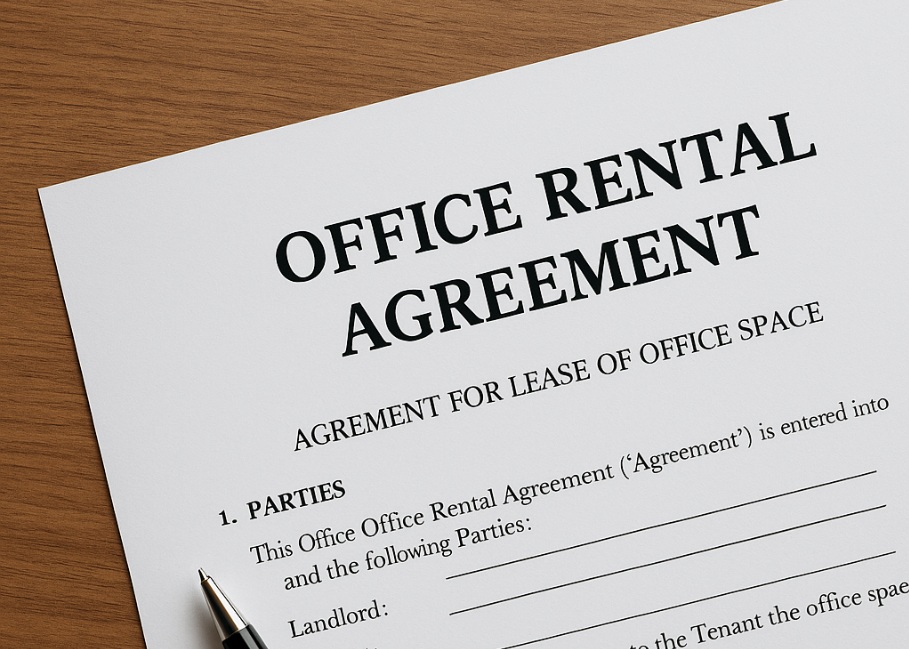
Office Rental Agreement in Malta. When renting an office space in Malta, one of the most important steps is signing a commercial lease agreement. This document outlines the rights and responsibilities of both the landlord and the tenant. At OfficeSpace.rent, we always recommend that both parties fully understand the standard clauses before signing, to ensure a smooth and professional tenancy.
Below, we break down the most common terms you’ll find or can expect.
1. Lease Term and Renewal
The lease term specifies how long the agreement is valid. In Malta, most office rental agreements run for 3 to 5 years. Furthermore, lease agreements often include a di fermo period (a minimum binding period during which the tenant cannot terminate) followed by a di rispetto period (a notice period allowing the tenant to terminate with advance written notice). Knowing how these work is crucial when planning your office rental strategy.
2. Rent and Payment Terms
This clause outlines:
-
Monthly or quarterly rent payments
-
Due dates for payment
-
Accepted payment methods
-
Any rent escalation clauses, which allow for gradual increases over time. Usual scenarios include 3-5% yearly increments or inline with the NSO office yearly increments.
Clear rent terms protect both the tenant and the landlord from misunderstandings.
3. Deposit and Guarantees
Most landlords in Malta require a security deposit, typically equal to 1–3 months’ rent. This covers potential damages or unpaid rent. The agreement should also state when and how the deposit will be refunded.
4. Use of Premises
The office lease will specify the permitted use of the property—for example, administrative offices, coworking, or client-facing services. This ensures the property is used in line with building and zoning regulations.
5. Maintenance and Repairs
A standard clause divides responsibilities:
-
Landlord: structural maintenance, roof, plumbing, and electrical systems
-
Tenant: daily upkeep, cleanliness, and minor repairs
This prevents disputes and keeps the office space in good condition.
6. Termination and Notice Period
One of the most important clauses is the termination policy. Typically, tenants may terminate the lease with a minimum of 4–6 months’ written notice. Landlords usually do not have equal termination rights during the fixed term, giving tenants security in their investment.
7. Subleasing and Assignment
This clause states whether the tenant is allowed to sublet the office or transfer the lease to another party. Many agreements in Malta require landlord approval before any subleasing.
8. Insurance and Liability
Commercial tenants are often required to maintain public liability insurance and sometimes content insurance. This protects both the business and the landlord in case of accidents or damages.
Final Thoughts
Signing an office rental agreement in Malta is a significant commitment. Understanding the standard clauses—such as lease term, rent, deposit, maintenance, and termination—ensures transparency and protects both parties.
At OfficeSpace.rent, we guide landlords and tenants through every step of the process, making sure your agreement is fair, clear, and legally sound. If you’re looking to rent or list an office in Malta, get in touch with our team today. For more information do visit this page as well on renting an office in Malta.
Frequently Asked Questions — Office Rental Agreements in Malta
A complete office rental agreement should include: parties (full legal names and company registration numbers), property description (address, floor/unit, area in m²), permitted use stating “office use”, rent amount with payment date and bank details, deposit amount with conditions and return timeline, lease term with start/end dates, notice period, rent review clause, maintenance responsibilities, subletting clause, and stamp duty confirmation for CFR submission.
A commercial lease covers non-residential properties for business use. Key differences: no statutory tenant protections under the Private Residential Leases Act 2018, no government rent cap, no mandatory Housing Authority registration, full freedom of contract for both parties, and stamp duty applies at 1% of total lease value. Commercial agreements should always be reviewed by a Malta-qualified lawyer, especially for leases over 12 months.
Not legally required, but strongly recommended for any lease over 12 months, leases over €1,000/month, agreements with break clauses or rent review mechanisms, and first-time renters unfamiliar with Maltese property law. A commercial property lawyer typically charges €200–€600 for lease review — almost always worth the investment relative to the total lease value and risk of unfavourable terms.
A break clause allows early termination without penalty. Typical structures: Mutual break where either party can terminate after 12 months with 3 months’ notice. Tenant-only break (most common) allowing exit after a set period, e.g. 18 months into a 3-year lease. Break clauses often require the tenant to have paid all rent and be in full compliance. Negotiating a break clause is especially important for early-stage companies.
A landlord can only terminate early if: the tenant breaches the contract (non-payment, unauthorised subletting, illegal use), a landlord-break clause was negotiated and included, or the property is subject to compulsory acquisition (rare). Without cause and no break clause, the tenant is entitled to remain for the full term and may seek damages for unlawful termination. Ensure your lease has no landlord-only break clause without negotiated compensation.
Verbal contracts are technically recognised under the Civil Code, but extremely difficult to enforce. There is no written record of terms, disputes over rent or deposit are nearly impossible to resolve, and courts struggle to determine intent without documentation. Verbal agreements are also not eligible for stamp duty registration. Always insist on a written, signed agreement regardless of how informal the arrangement appears.
In Malta, a sale does not automatically end an existing lease (the principle of emptio non tollit locatum). The new owner takes ownership subject to the existing tenancy. However, complications can arise if the lease is unregistered and the buyer was unaware of it. New owners may approach tenants to renegotiate but you are not obliged to accept new terms before your lease expires. A notarised or registered lease provides the strongest protection.
A standard rent review clause adjusts rent annually, typically by the higher of the current rent or the rent adjusted by the Retail Price Index change published by the National Statistics Office of Malta, subject to a minimum increase of 0% and maximum of 5%. Some leases use a fixed percentage increase, e.g. 3% per annum. Understand and be comfortable with the review mechanism before signing.
The tenant vacates and returns keys by the agreed date. A joint inspection is conducted (document with photos/video). The landlord has 14–30 days (as specified in contract) to deduct for damage beyond fair wear and tear. The remaining deposit is returned by bank transfer. Legitimate deductions include repainting heavily marked walls, repairing fixture damage, and deep cleaning. Normal wear and tear and cosmetic scuffs are not legitimate deductions.
Subletting requires explicit permission in the original lease. Most standard Malta commercial leases prohibit subletting without the landlord’s prior written consent. If subletting is important to your business model, negotiate this right before signing — either as blanket permission or subject to landlord approval not to be unreasonably withheld. Subletting without permission is a breach of contract and can be grounds for lease termination.