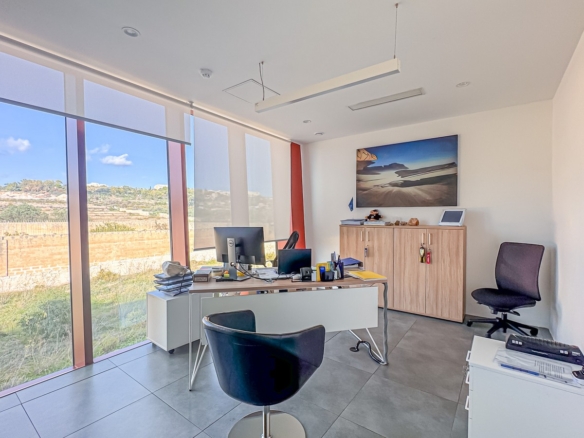
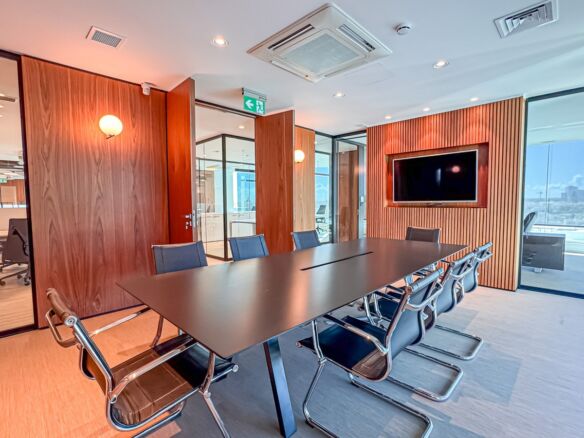
An office search in Malta starts with a brief. Tell OfficeSpace.Rent how many people come in on the busiest day, which locations they can reach, what you can spend and when the team needs to move. Include any requirement that would rule out a property, such as step-free access, a private meeting room or reserved parking.
Who gets the most value from an assisted search?
An overseas founder may know how many people will join in Malta yet have little sense of the difference between a Sliema seafront address and an inland business centre. Start by describing where clients will come from, which roles will be hired locally and who needs to be together. That lets an agent suggest locations for reasons you can test.
A local company with a lease coming to an end usually has a different starting point. List the two things the present office does well and the two that make daily work harder. A move that fixes a parking problem while taking away the only private meeting room may leave the team no better off. Bring the old plan or a sketch and show what you want to retain.
For a larger company, name one person to gather feedback from finance, operations and the local team. If every department sends a different brief, a shortlist can look busy while few properties satisfy the business as a whole. Mark each requirement as essential, preferred or negotiable and give the agent permission to flag trade-offs.
From a brief to a viewing
We use those details to identify suitable properties, confirm availability with the relevant contact and arrange viewings. For a serviced office, we ask what the operator includes in the package. For a conventional lease, we look at the usable space, fit-out, handover date and additional running costs. Malta’s Property Market Agency register lets clients check property intermediaries.
After visiting, compare the actual floors you saw. If the choice depends on parking, furniture or work the landlord has offered to carry out, request written details. We can assist with commercial discussions while your advisers review the proposed agreement and any technical requirements.
What a useful brief looks like
Consider this illustrative enquiry: “We need a private office for eight people. Six usually attend, but everyone comes in on Tuesday. One colleague holds confidential client calls, two people need reserved parking and we must be working by the start of next quarter.” That gives a clearer search than asking for an office for eight desks.
Add a budget with its boundaries. Say whether the amount is for rent alone or all recurring costs. Identify furniture you own, the meeting-room capacity you need and whether visitors require step-free access. If a terrace or waterfront view is desirable, say what you would trade for it. A property that misses one preference may still meet every operational need.
Give a decision date as well as a move date. If the board meets once a month, work backwards to allow time for a second viewing and written terms. If a provider has offered temporary desks, include the last date you can cancel them. This prevents a good property from becoming unusable simply because approval takes longer than expected.
What to expect from a shortlist
Ask for the reference, address or locality, exclusive internal area, layout, availability and stated inclusions for each candidate. Where something needs confirmation, keep it visible as an open question. An office described as fitted might have partitions and cooling yet still need furniture, data cabling and blinds.
A useful first round may include two quite different arrangements. For example, one might be a smaller serviced office where the team books meeting rooms. Another might be a conventional suite with a permanently available boardroom. Compare both for the same busy week and the same period of occupation. A per-desk price tells only part of the story.
At a viewing, assign one person to the team’s working layout and another to the visitor journey. If both report separately, you are more likely to catch a lift that stops short of the suite or a boardroom reached through a confidential work area. Share the findings while the properties are fresh in everyone’s mind.
How an agent supports an offer
Once you identify a preferred office, ask for the terms that affect the choice in writing. These may include a particular parking bay, furniture, a landlord alteration or access for installers before the rent starts. Resolve open points before treating the property as ready for occupation.
For a conventional lease, your lawyer reviews the agreement and your accountant advises on the tax treatment. Technical questions may need an architect, IT provider or building specialist. An agent can coordinate access and clarify the owner’s proposal so those advisers inspect the right suite and answer the right question.
For a serviced room, ask the operator for the agreement, desk allocation, notice period and charges for extra services. If your team expects a visitor from abroad every week, check how guest access and meeting-room bookings actually work. These details can matter more than a long list of amenities in a brochure.
What a decision-ready comparison looks like
Imagine a company considering a furnished suite in St Julian’s and a private floor in Mrieħel. Its sales team likes the first address for client meetings, while operations prefers the space and parking in the second. Put one actual week of meetings and staff attendance beside both plans. This turns a debate about preferred locations into a question about where the company can do its work.
For the serviced suite, record the private room size, meeting hours included and price of any additional bookings. For the private floor, get the base rent, shared charges and an estimate for the work needed before opening. Then add parking for the actual users and show the earliest credible occupancy date. Use the same period and currency when comparing the offers.
Give management a short written summary explaining what would make either office the wrong choice. The sales team might need predictable guest access on a Friday afternoon. Operations might need a secure room for equipment that one suite cannot accommodate. Assign a person to confirm each point before the decision meeting and keep their answer alongside the quote.
If both options still work, a second viewing should resolve the remaining difference. Bring the colleague responsible for that issue. An IT manager can inspect the proposed connection point, while a client host can test the visitor route. There is little value in taking the entire team around both buildings again without a question to answer.
When does an agency fee become payable?
OfficeSpace.Rent charges no upfront agency fee for searches or viewings. A placement fee applies on successful lease signing under the agreed engagement terms. See the published agency fee details when budgeting for a move.
To start a shortlist, call +356 9992 2220 or send your office requirements. A move date, maximum budget and two or three essential features give us enough information to begin a useful conversation.
Frequently asked questions
Do I pay to view an office with OfficeSpace.Rent?
There is no upfront agency fee for searches or viewings. A placement fee applies on successful lease signing according to the agreed engagement terms. The published fee page gives the basis for budgeting.
Can OfficeSpace.Rent help a team that is still overseas?
Yes. Send your headcount, locations, budget and move date. Identify who can attend in person and ask for a plan and current photographs of the particular suite under discussion.
Can I compare a serviced office with a traditional lease?
Yes. Ask for both options using the same desk count, meeting-room needs and expected stay. Compare the full recurring cost and the cash required before opening.
How do I know whether a listing is still available?
Send its reference or link with your required dates. Availability, terms and any landlord works should be confirmed for that particular floor before you make plans around it.
What happens if none of the first offices fit?
Explain what ruled each one out. Feedback such as “the client room is up a flight of stairs” or “we need two simultaneous calls” gives the agent something concrete to change in the next shortlist.